Nepal is
known for its rich culture, traditions, and vibrant festivals. Here are some of
the major festivals celebrated in Nepal:
1. Dashain (September/October)
2. Tihar (October/November)
3. Holi (March)
4. Buddha Jayanti (April/May)
5. Indra Jatra (August/September)
6. Shiva Ratri (February/March)
7. Maghe Sankranti (January)
8. Lhosar (February/March)
9. Chhewar Ceremony (Varies)
10. Teej (August/September)
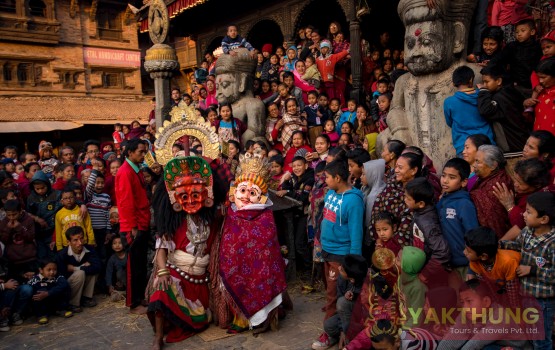
11. Gaijatra (August/September)
Nepal is known for its rich culture, traditions, and vibrant festivals. Here are some of the major festivals celebrated in Nepal:
1. Dashain (September/October)
- Overview: Dashain is the most important festival for Hindus in Nepal. It celebrates the victory of the goddess Durga over the demon Mahishasura. It lasts for 15 days and is a time for family reunions, worship, and animal sacrifices.
- Celebrations: People visit their ancestral homes, receive blessings from elders, and perform rituals. Tika (a mixture of yogurt, rice, and vermillion) is applied on foreheads during the festival.
2. Tihar (October/November)
- Overview: Also known as the "Festival of Lights," Tihar is celebrated for five days, honoring animals, brothers, and gods. It’s a time to show gratitude to pets, especially dogs, cows, and crows.
- Celebrations: Houses are decorated with oil lamps (diyas) and colorful rangolis. On different days, people worship different animals, and the last day is dedicated to celebrating brothers.
3. Holi (March)
- Overview: Known as the "Festival of Colors," Holi is a celebration of the arrival of spring and the triumph of good over evil.
- Celebrations: People throw colored powder at each other, dance, and celebrate with music and sweets. It’s a joyful and lively festival, marked by lots of laughter and merriment.
4. Buddha Jayanti (April/May)
- Overview: Buddha Jayanti marks the birth, enlightenment, and death anniversary of Siddhartha Gautama, the Buddha.
- Celebrations: Monasteries are cleaned and decorated, and Buddhists gather to celebrate with prayers, chanting, and offerings. It’s a peaceful and spiritual occasion.
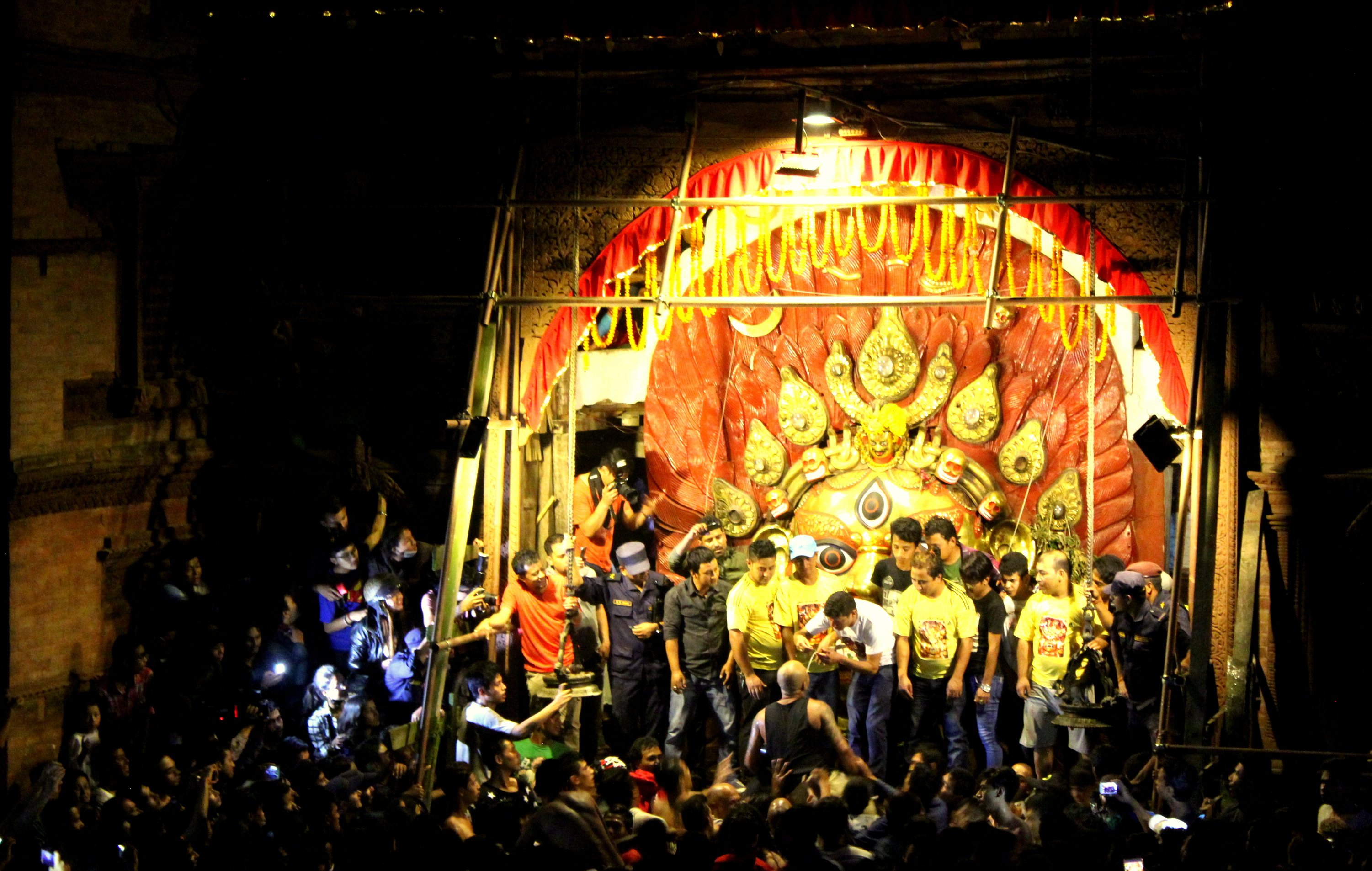
5. Indra Jatra (August/September)
- Overview: This is a festival primarily celebrated in Kathmandu, dedicated to Indra, the king of heavens. It marks the end of the monsoon season and is one of the oldest festivals in Nepal.
- Celebrations: The most famous part of the festival is the procession featuring a chariot carrying the living goddess Kumari. There are also traditional dances, feasts, and displays of traditional arts.
6. Shiva Ratri (February/March)
- Overview: Maha Shivaratri is dedicated to Lord Shiva and is celebrated by fasting, chanting, and night vigils.
- Celebrations: Devotees visit temples, especially Pashupatinath in Kathmandu, and participate in religious rituals. The night is marked by chanting mantras and singing hymns in honor of Lord Shiva.
7. Maghe Sankranti (January)
- Overview: This festival marks the beginning of the new solar cycle and is significant for farmers as it signals the end of winter and the beginning of the harvest season.
- Celebrations: People celebrate by feasting on traditional foods like sesame seeds, molasses, and yam. It’s also a time for family gatherings and spiritual activities.
8. Lhosar (February/March)
- Overview: Lhosar is the New Year festival celebrated by the various ethnic communities in Nepal, including the Newars, Tamangs, and Gurungs. The festival is celebrated at different times by different groups, but it usually occurs in the spring.
- Celebrations: People dress in traditional clothes, perform rituals, and enjoy delicious food and dance. It is a time of celebration with family and community.
9. Chhewar Ceremony (Varies)
- Overview: This is a sacred thread ceremony observed mainly by the Brahmin and Chhetri communities. It marks the initiation of young boys into adulthood.
- Celebrations: A religious ceremony is held, and the boy is given the sacred thread (janai). The event includes prayers, rituals, and feasts.
10. Teej (August/September)
- Overview: Teej is a festival for women, especially Hindu women, who worship Goddess Parvati for a happy and long married life. It is a celebration of women’s strength and empowerment.
- Celebrations: Women fast and pray, wear red clothes, and perform traditional dances. The fasting is believed to bring blessings for their husbands' health and longevity.
11. Gaijatra (August/September)
- Overview: Gaijatra, also known as the "Cow Festival," is celebrated mainly in the Kathmandu Valley. It honors the memory of deceased loved ones.
- Celebrations: People participate in processions with decorated cows (or people dressed as cows), and there are performances, music, and comedy plays. It's a blend of mourning and celebration, lightening the mood of grief.
Want to learn more and make it a Private tour, Please send us your inquiry to our Tour experts. You will be guided to choose your best tour and place according to your taste.
Included
Pickup and Drop-off Service
Professional Guide
Food and Drinks
Excluded
Alcohol drinks
Personal Souvenirs
Entrance fee for Heritage sites